
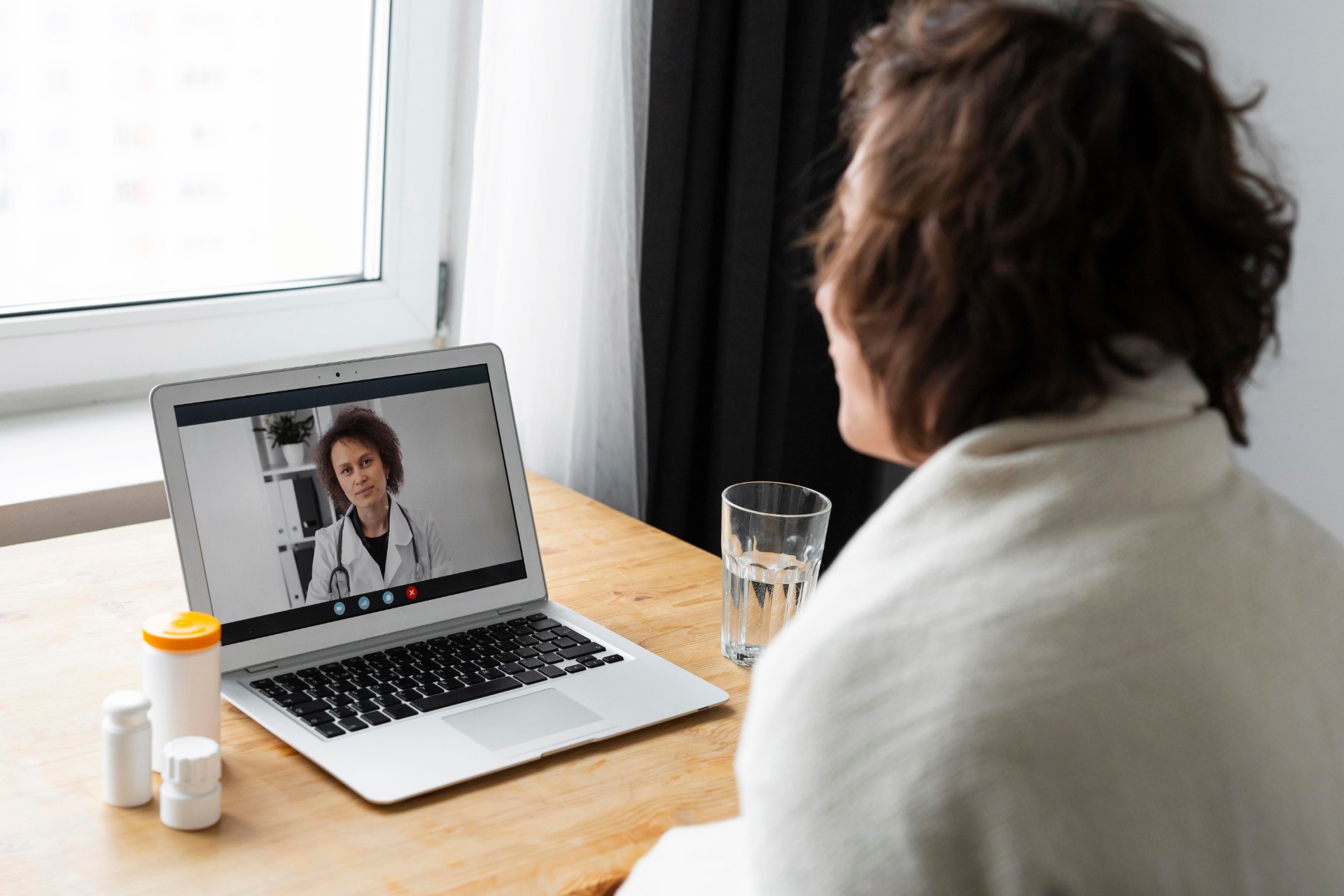
Urinary tract infections (UTIs) are more common in women than in men. These infections often occur more frequently than women would be comfortable admitting. In Ireland, women often deal with it silently while managing work, long commutes, parenting, relationships and daily stress. This blog goes out to those women in particular. Self-care doesn't have to take too much time or effort. Occasionally, it can just be about drinking more water, changing your regular birth control pills, and adopting new hygiene patterns.
Professional medical advice is also important. Nowadays, you can even consult an online GP in Ireland without having to book in-person appointments and obtain online GP prescription services as a plausible guided self-care solution. Whether your condition is recurring or one-time, practicing caution is always worthwhile. Let's explore the most effective options available to you as an Irish woman managing urinary tract infections independently.
Understanding UTIs: Why Women Are More Susceptible
UTIs typically occur when bacteria—most commonly E. coli—enter the urinary tract. The most common symptoms of UTIs include a burning sensation during urination and a feeling of incompleteness. Cramps in the lower abdomen and a frequent urge to urinate are also common. In progressive cases, the urine develops a strong odour and has a cloudy consistency.
Why are women more prone to UTIs? The simple answer is that they have a shorter urethra than men, making it easier for bacteria to reach the bladder. Well, that's the common theory. Several other factors can lead to UTIs in women:
Hormonal imbalances, especially in pre-menopausal women
Sexual activity, especially when E. coli is pushed into the urethra during intercourse
Certain hygiene habits, such as wearing the same underwear for long periods and holding in urination, can contribute to UTIs.
Not drinking enough water
Nowadays, online GP consultations in Ireland have become more common. An increasing number of Irish women are seeking the services more often than in-person appointments, paving the way for newfound demographics, particularly how commonly recurrent the symptoms are.
How to Treat UTIs On Your Own
UTIs can be recurrent if not addressed carefully. Most of the standard treatment involves prescription medications, mostly antibiotics. You can get over-the-counter meds or opt for an online GP prescription service for quicker and secure access to your meds. However, modern Irish doctors are considering integrative approaches that go beyond basic medication and address the overall wellness, lifestyle and self-care habits at large.
- Hydration: If you don’t drink enough water throughout the day, then make it a habit. If you don’t like plain water, you can have other sources of hydration like chamomile tea or eat watery fruits like orange, watermelon and berries.
Limit your coffee and alcohol intake
Adopt more careful bathroom habits, like wiping in one direction and giving enough time while urinating to empty the bladder completely.
Urinate after intimacy to clear any traces of bacteria from the urethra.
Choose gentle hygiene products like the ones that are pH-balanced and without harsh chemicals
Wear breathable cotton underwear
Over-cleansing can disrupt natural protective bacteria, making infections more likely rather than less.
If you are used to ordering your online GP prescription in Ireland, always choose board-certified platforms and GPs who offer the documents after a thorough online review.
If, despite all these efforts, your UTI keeps coming back, then consider booking an in-person appointment with a doctor. Ignoring symptoms or relying solely on home remedies can allow the infection to worsen. In some cases, antibiotics are necessary—and accessing them promptly is important.
How Proactive Care Can Reduce UTI Frequency
Self-care isn’t about replacing medical professionals—it’s about being informed, proactive, and supported. The convenience of an online GP prescription is more practical for busy women. Access to a more professional guided self-care system is safe and effective, as it is quick and affordable.
You don’t have to take time off from work to wait in the doctor’s office anymore.
The discreet ecosystem to consult an online GP in Ireland makes women feel more confident while discussing symptoms confidentially. From identifying key triggers like stress, sexual activity or dehydration to discussing effective preventive strategies, digital healthcare has made it easier to get medical guidance more quickly. This facility is especially helpful for women managing chronic or repeat infections alongside busy lives.